Nobody talks about the awkward silence after someone receives a cheap recognition award. You’ve probably seen it happen. The recipient smiles, says thank you, then quietly wonders if their years of effort really mattered that little. Custom engraved plaques solve a problem most organisations don’t realise they have—the gap between what achievements deserve and what they actually receive creates invisible resentment that festers for years.
The Engraving Paradox
Here’s something fascinating that most people miss. Permanent recognition actually changes how recipients remember their own achievements. Psychologists studying memory formation discovered that physical objects anchor our recollections differently than photographs or digital records. When you can touch something solid that bears your name, your brain files that achievement under “significant life event” rather than “nice thing that happened once.” The plaque doesn’t just commemorate success—it actively reshapes how that success lives in memory.
Why Misspelt Names Destroy Trust
There’s a corporate myth that small mistakes don’t matter much in recognition programmes. Wrong. Behavioural research shows that errors in personal recognition trigger disproportionate emotional responses because they signal carelessness in an arena where people expect precision. When someone’s name appears incorrectly on a custom engraved plaque, they don’t just notice the mistake—they start questioning whether leadership truly values individual contributions or just goes through recognition motions. One misplaced letter can undo months of goodwill.
The Hidden Cost of Speed
Instant recognition feels modern and efficient until you examine what gets lost. When organisations can generate and distribute awards within minutes, the recipient’s subconscious registers something troubling: if recognition costs nothing in time or effort, perhaps the achievement itself wasn’t particularly special. Engraving naturally imposes a waiting period that actually enhances value through what economists call “effort justification.” The delay signals scarcity. Scarcity signals worth.
Office Walls as Power Structures
Walk through any established organisation and notice which walls display plaques versus which ones stay bare. It’s never random. Spaces where clients and stakeholders gather almost always showcase achievement displays, whilst back-office areas rarely do. This geography reveals an uncomfortable truth—custom engraved plaques often serve dual purposes. They recognise individuals whilst simultaneously performing corporate theatre for external audiences. Smart employees understand this dynamic and use it strategically, requesting public display locations for their awards.
What Survives Office Renovations
Offices get gutted and redesigned constantly. Furniture gets replaced, walls get repainted, entire floor plans get reconfigured. Watch what survives these transformations and you’ll learn what organisations truly value. Plaques marking genuine achievements typically get carefully removed, stored, and remounted in new locations. Motivational posters and generic artwork get binned without discussion. This unconscious sorting process during renovations exposes the real hierarchy of what matters.
Material Psychology Nobody Discusses
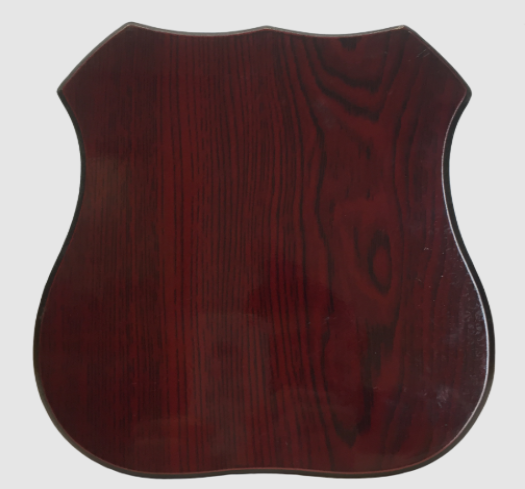
Certain materials trigger instinctive status assessments that operate below conscious awareness. Timber plaques subtly invoke craftsmanship traditions that stretch back centuries, which is why solicitors and medical practitioners favour them—these professions trade on perceived continuity with historical authority. Brass suggests military and governmental legitimacy because those institutions literally shaped our cultural associations with the metal. Glass and acrylic signal technological sophistication because they’re relatively recent materials. Choosing between them isn’t aesthetic—it’s strategic messaging that exploits deep cultural programming.
The Counterfeit Problem Everyone Ignores
Professional credentials displayed on walls face a verification problem most people don’t consider. Clients and visitors rarely check whether displayed qualifications are genuine—they assume legitimacy based on presentation quality. This creates bizarre situations where impressive-looking forgeries carry more persuasive power than genuine but poorly presented credentials. Custom engraved plaques with proper depth, material quality, and finishing become difficult enough to replicate that they serve as informal authentication. The craftsmanship itself functions as security.
Recognition as Organisational Memory
Plaques mounted in shared spaces create something anthropologists call “institutional narrative.” They don’t just honour individuals—they construct stories about what behaviours the organisation rewards and which achievements earn permanent commemoration. New employees absorb these lessons unconsciously seeing whose names appear on walls. This turns recognition displays into powerful socialisation tools that teach cultural values far more effectively than policy manuals or orientation sessions ever could.
Conclusion
Most organisations treat recognition as a nice gesture when it actually functions as core infrastructure for motivation and culture. Custom engraved plaques work because they operate on multiple levels simultaneously—validating individuals, broadcasting values, and creating permanent institutional memory. The physical permanence forces organisations to think carefully about what deserves lasting acknowledgement, which naturally raises recognition standards. When people understand their contributions might earn permanent commemoration rather than fleeting praise, behaviour patterns shift in subtle but measurable ways. That’s not sentimentality—it’s applied organisational psychology that most leaders overlook completely.