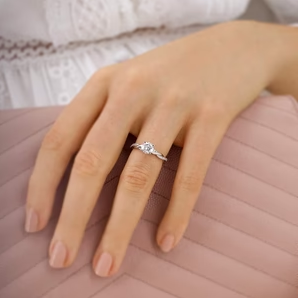
The story of fashion is one of constant reinvention, and the journey of design motifs reflects the cultural shifts and creative revolutions that have shaped each era. From early twentieth century elegance to modern minimalism, each decade introduces new artistic influences while reviving the old in refreshed forms. As trends cycle and reinterpret past aesthetics, brands and designers often explore these motifs with contemporary craftsmanship. In recent years, even fine jewellery labels such as lily arkwright have embraced this pattern of evolution in their own way, reflecting broader movements within fashion.
In the 1920s, motifs were defined geometric precision and bold lines. The Art Deco movement dominated everything from architecture to clothing, and fashion adopted streamlined shapes, symmetrical patterns, and metallic accents that captured the spirit of modernity. These motifs represented a break from the ornate styles of the previous Victorian and Edwardian eras, reflecting a growing fascination with technology, travel, and global influences.
The 1930s and 1940s shifted toward softer, more practical motifs as the world entered a period of economic instability and war. Floral patterns, muted palettes, and understated details became widespread. These motifs often conveyed optimism and resilience. Utility wear inspired functional motifs like patch pockets and simple trims, while Hollywood glamour introduced subtle embellishments that balanced practicality with elegance.
The 1950s brought a post-war celebration of femininity. Polka dots, gingham, and pastel florals became iconic motifs of this era. Full skirts, cinched waists, and decorative elements like bows and lace echoed this return to romanticism. Motifs were playful and idealistic, shaped a booming economy and the rise of mass-produced fashion.
The 1960s, however, broke dramatically from past traditions. Psychedelic swirls, bold color blocking, space-age metallics, and graphic mod patterns defined a decade of youth culture, political change, and artistic experimentation. Motifs reflected a generation challenging social norms, blending avant-garde expression with accessible street fashion.
By the 1970s, fashion embraced earthy tones, global influences, and handcrafted aesthetics. Popular motifs included paisley, crochet textures, ethnic-inspired patterns, and bohemian prints. This decade’s motifs mirrored a growing interest in cultural exploration and environmental consciousness. The influence of music and subcultures pushed motifs toward expressive and free-flowing designs.
The 1980s, in contrast, celebrated extravagance. Motifs were oversized, loud, and unapologetically bold. Animal prints, neon graphics, geometric abstractions, and metallic accents defined the decade’s maximalist energy. Motifs drew heavily from pop culture, power dressing, and the rapid expansion of global fashion markets.
The 1990s reversed course again, favoring minimalism. Clean lines, monochrome palettes, and understated motifs became the new signature. Calvinist simplicity and streetwear influences merged to form motifs that were subtle yet distinctive. Logos emerged as motifs in their own right, marking the rise of brand-driven identity in fashion.
Entering the 2000s and beyond, motifs have become more eclectic than ever. Designers mix vintage inspiration with futuristic innovation, blending decades of influences into cohesive modern trends. Digital prints, sustainable materials, and adaptive designs reflect technological progress and changing consumer values. Contemporary fashion draws freely from past motifs while tailoring them to current lifestyles and aesthetics.
Across all decades, the evolution of motifs demonstrates how fashion mirrors societal transformation. Each era leaves a visual imprint, shaping the next generation of creativity. As designers continue to reinterpret history in innovative ways, these shifting motifs remain a powerful reflection of culture, identity, and artistic expression.