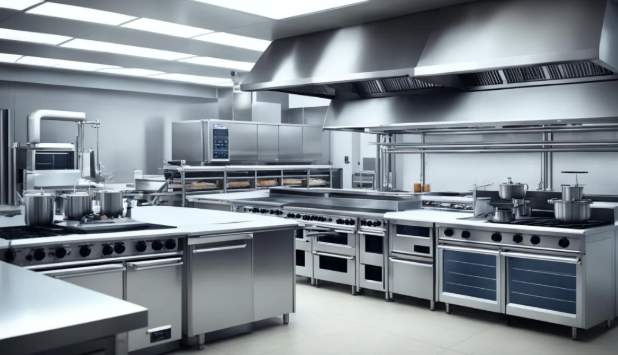
The difference between a chaotic kitchen and a profitable one often comes down to equipment choices most operators overlook. Plenty of advice exists about buying commercial-grade gear. Rarely does anyone discuss what actually happens when restaurants cut corners or choose the wrong machinery. The real-world impact of kitchen industrial equipment decisions either makes or breaks food service operations.
Enhanced Productivity
Here’s something most suppliers won’t mention. A commercial mixer that processes substantial batches of dough isn’t just faster than doing it hand. It fundamentally changes your business model. Bakeries can suddenly accept wholesale contracts they’d previously have to refuse. Restaurants discover they can prep several days ahead instead of scrambling each morning.
The equipment doesn’t just speed things up. It unlocks revenue streams that weren’t viable before. A Perth café owner mentioned how a single combi oven let them launch a catering side business. They could suddenly handle volume that seemed impossible with their old setup.
Consistent Quality
Customer complaints rarely mention inconsistent temperature specifically. They’ll say the pasta was off or the roast wasn’t like last time. Industrial equipment eliminates the variables that create these problems. A blast chiller brings food to safe temperatures at the same rate every time. This prevents that mushy texture that happens when things cool too slowly.
Precision matters more than most chefs admit. This becomes especially true when training new staff who haven’t developed the instincts that come with experience.
Durability and Longevity
Domestic fridges in commercial settings typically fail fast. The compressors aren’t designed for doors opening constantly throughout the day. Then you’re stuck mid-service with spoiling ingredients and angry customers waiting for their meals.
Kitchen industrial equipment survives these conditions because it’s built around different assumptions. The upfront difference becomes irrelevant when you’re not replacing units constantly. You also avoid losing stock to breakdowns during your busiest periods.
Space Optimisation
Small kitchens create surprising challenges. A Melbourne laneway restaurant recently redesigned their space around a combination oven. It replaced their conventional oven, steamer, and proofer. They gained metres of bench space back.
This sounds modest until you’re trying to plate during a Friday night rush. The right machinery doesn’t just fit into your space. It gives you back space you didn’t know you’d lost to inefficient layouts.
Energy Efficiency
Power bills reveal the true operating costs most people underestimate when planning budgets. Older equipment can draw twice the electricity of modern units whilst producing the same output. Induction cooktops heat faster and waste less energy than gas. Many chefs resist switching due to habit.
The monthly savings add up quietly in the background. This improves margins without raising prices or cutting quality anywhere else in your operation.
Food Safety Standards
Health inspectors focus on equipment condition for good reason. That crack in a cutting board matters. The rubber seal that’s started perishing isn’t a minor issue. Commercial-grade materials prevent these problems from developing in the first place.
Stainless steel doesn’t just look professional. It’s genuinely easier to sanitise properly. When your refrigeration maintains consistent temperatures rather than fluctuating, you’re not relying on guesswork to keep food safe. This protects both your customers and your business reputation.
Scalability Potential
Growth often happens faster than expected. Equipment becomes the bottleneck. Food trucks that get popular suddenly need to supply multiple locations. Caterers land a corporate contract requiring triple their usual volume.
Kitchen industrial equipment handles these transitions because it’s designed with headroom built in. The vacuum sealer that seems oversized today becomes essential when you’re doing meal prep at a much larger scale. You won’t need to reinvest when opportunities arise.
Staff Satisfaction
Kitchen work is physically demanding enough without faulty equipment making it worse. A commercial dishwasher that actually cleans properly means staff aren’t scrubbing plates twice. Mixers with proper safety guards prevent the injuries that lead to compensation claims and staffing shortages.
Good equipment doesn’t just make work easier. It shows your team you’re serious about running a professional operation. This matters more for retention than most managers realise.
Conclusion
Choosing appropriate kitchen industrial equipment isn’t about buying the most expensive options or impressing visitors with shiny appliances. It’s about understanding which tools genuinely change what your kitchen can accomplish. The operations that thrive long-term usually made smarter equipment decisions early on. This sets them up for consistency, growth, and fewer emergencies. Your machinery either supports your goals or limits them. There’s rarely a middle ground in commercial food service.