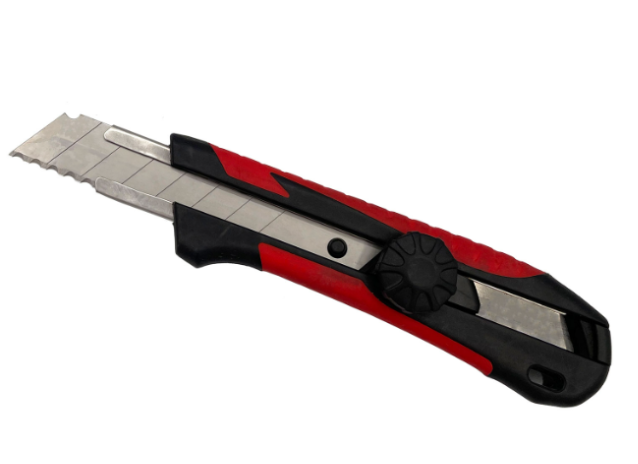
Most people ignore utility knives completely. They grab the chef’s knife or paring knife without thinking. But something shifts when you actually use a stainless steel utility knife serrated regularly. Those frustrating kitchen moments just stop happening. Your tomatoes slice cleanly instead of turning to mush. Bagels come apart in neat halves. Crusty bread doesn’t require a wrestling match anymore.
The Grip Factor
Serrations don’t work the way most people imagine. It’s not simply about teeth on metal. Each pointed section grabs onto what you’re cutting. The valleys between reduce drag. This makes an enormous difference with slippery ingredients. A ripe peach slides all over your board with a straight blade. Serrated edges bite in straight away. Citrus fruits behave. Soft cheeses with waxy rinds cooperate. Delicate pastries don’t crumble into chaos.
Sharpness That Lingers
Knife companies rarely mention this detail. Serrated blades maintain their edge far longer than smooth ones. The wear spreads across multiple contact points instead of one continuous line. Straight blades touch food along their entire length with every slice. They dull uniformly and predictably. Serrations focus pressure at the tips. Even when those tips eventually round off, the recessed areas still cut effectively. Some home cooks never sharpen their serrated utility knives professionally. This sounds absurd until you understand the physics involved.
Size Makes Sense
The utility knife occupies strange territory. Chef’s knives excel at big jobs but feel clumsy for precision work. Paring knives offer excellent control but lack sufficient reach. Utility knives bridge that gap perfectly. They let you work quickly without losing accuracy. Trimming fat off meat feels natural. Portioning cheese blocks happens smoothly. Cutting sandwich fillings doesn’t require awkward hand positions anymore.
Stainless Steel Truths
Not every stainless steel performs identically. This surprises people constantly. Some alloys contain more carbon and hold edges better. They sacrifice a bit of rust resistance though. Other versions resist corrosion beautifully but need sharpening sooner. Quality manufacturers balance these competing demands. Their blades handle acidic ingredients without developing pits. They maintain reasonable sharpness between maintenance sessions. Even basic stainless steel requires less attention than carbon steel alternatives. This matters tremendously if knife care isn’t your favourite hob.
Beyond Bread Alone
Everyone assumes serrated knives exist solely for bread. That’s limiting thinking. A stainless steel utility knife serrated handles bread wonderfully because it wasn’t designed exclusively for that purpose. Specialised bread knives often feature aggressive serrations. These work brilliantly on artisan sourdough. They absolutely destroy soft sandwich loaves though. Utility knife serrations stay subtler and more versatile. They’ll slice baguettes without drama. They also manage fresh mozzarella cleanly. Roasted capsicums don’t slide around. Layered cakes come apart in precise portions.
Cleaning Reality
Serrated teeth trap food particles between them. Basic physics guarantees this. The solution takes seconds though. Run water over the blade. Brush along the serrations gently with your thumb. Debris disappears immediately. People who toss serrated knives into dishwashers create their own problems. Brief attention after each use prevents buildup entirely. The stainless steel utility knife serrated construction gives you flexibility here. You’re not fighting oxidation like carbon steel demands. Your cleaning routine can stay relaxed.
Control Wins
Utility knives teach proper cutting technique naturally. The moderate blade length prevents relying on brute force. The lighter weight compared to chef’s knives changes your approach. You can’t muscle through ingredients successfully. The serrations do the actual work. A gentle sawing motion produces better results than aggressive chopping ever could. This creates cleaner cuts with less cellular damage. Flavour and texture preservation improve noticeably.
Handling Awkward Tasks
These knives shine with ingredients that frustrate other blades. Soft vegetables with tough skins surrender easily. Cured meats slice thin without tearing. Delicate herbs get chopped without bruising. Firm fruits maintain their shape instead of compressing. The blade length feels appropriate for detailed work. The serrations provide reliable grip regardless of what you’re cutting.
Conclusion
The genuine advantage of a stainless steel utility knife serrated appears in daily convenience rather than dramatic breakthroughs. It manages those irritating tasks where other knives feel completely wrong. You know the moments. When you make do with improper tools because switching seems bothersome. Position one within arm’s reach and watch how often you grab it. Not because someone insisted you should, but because it genuinely reduces hassle and improves precision throughout your regular cooking routine.