Most café owners only think about their coffee machine when something goes wrong. By then, it is usually too late to avoid the fallout — a ruined service period, a stressed team, and customers quietly deciding not to come back. Commercial coffee machine service is not really about fixing things. It is about understanding what deteriorates slowly, invisibly, and consistently, long before a breakdown ever announces itself.
Scale Is Sneakier Than You Think
Hard water is the silent enemy of espresso equipment across Australia. Scale does not show up overnight. It settles into boilers and heat exchangers gradually, and by the time extraction feels slightly off or temperatures seem inconsistent, the buildup has already been doing damage for a while. What makes it particularly deceptive is that the coffee can still look perfectly fine in the cup. It just tastes a little flat, a little hollow — not quite right. Regulars notice. They may not say anything, but they notice.
Pressure Tells the Whole Story
Ask any experienced technician how they assess a machine’s health and they will point to pressure first. A machine running even slightly outside its ideal range — too high or too low — extracts coffee incorrectly. The crema thins. The flavour profile drifts. The consistency that earns return customers starts to quietly disappear. Pressure problems do not correct themselves, and waiting to see if things improve on their own is a gamble that rarely pays off.
Seals Wear Faster Than Expected
Group head gaskets and portafilter seals are small. They are also the components most likely to be overlooked until a barista notices unusual resistance locking in the portafilter, or spots water weeping around the group head mid-extraction. Worn seals affect pressure and hygiene simultaneously. Catching them during a routine commercial coffee machine service visit is straightforward. Ignoring them turns a simple swap into a much larger problem.
The Milk System Is Often Overlooked
Steam wands and milk lines take a beating in any busy café environment. Milk proteins are stubborn — they bind quickly, dry fast, and create blockages that affect both steam pressure and the texture of the final pour. The more concerning part is what happens inside the lines, where daily surface cleaning simply cannot reach. Bacterial buildup in milk systems is a genuine food safety issue, not just a performance one. It is also one of the more common things found during a proper service inspection.
Grinder Calibration Matters Too
A well-serviced machine paired with a grinder that has drifted out of calibration will still produce inconsistent results. Burr wear changes particle size over time, and that shift feeds directly into extraction quality. The best technicians look at the whole workflow rather than the machine alone, because that is where the real answers tend to live.
Electrical Faults Build Quietly
Commercial kitchens are hot, humid, and relentless. Wiring connections loosen over time. Control boards absorb heat stress. Thermostats drift from their original settings without any obvious warning. What looks like a sudden failure mid-service is almost always the result of gradual deterioration — slightly longer heat-up times, temperature inconsistency between shots, minor error codes that reset themselves and get ignored. Regular commercial coffee machine service identifies these patterns while they are still manageable.
Manufacturer Schedules Are Not Suggestions
Every commercial machine comes with a recommended service interval based on how internal components degrade under real workload conditions. Running past those intervals does not simply risk a breakdown. It can void warranty coverage at exactly the moment it is needed most. Records of completed services also carry weight during equipment disputes, insurance assessments, and health inspections — details that matter when things go sideways.
What a Proper Service Actually Covers
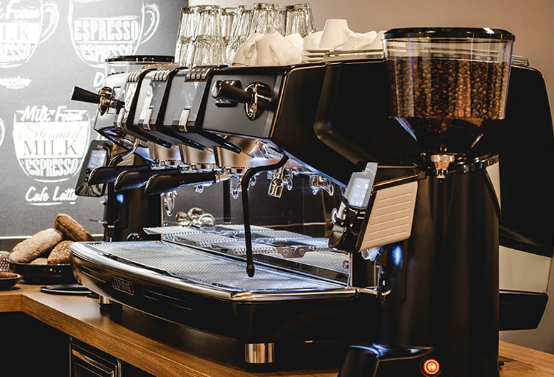
A thorough visit goes well beyond a clean and a visual check. Extraction pressure gets calibrated. Boiler temperature accuracy gets tested. Worn seals are replaced, internal components descaled, solenoid valves inspected, and pumps assessed properly. Businesses that treat servicing as a formality often keep experiencing the same recurring issues without understanding why. The machine is usually trying to communicate something — a proper technician knows how to listen.
Conclusion
The cafés that serve consistently great coffee are rarely the ones with the newest equipment. They are the ones that pay attention, maintain well, and do not wait for something to break before they act. Commercial coffee machine service done properly is not an interruption — it is what steady, reliable quality is actually built on. Know your machine, stay ahead of the wear, and that effort will show up in every cup served.